Pacemaker Implantation
When the heart’s natural electrical system slows down or becomes unreliable, a pacemaker helps maintain a safe, steady heartbeat. Dr. Md. Nagib Mahfuz Khan performs permanent pacemaker implantation along with structured follow-up care.
Symptoms Requiring Evaluation
- Unusually slow heartbeat (bradycardia)
- Frequent dizziness, fainting, or near-fainting
- Extreme fatigue or breathlessness on minimal exertion
- Documented pauses or blocks in the heart’s electrical rhythm
Diagnosis
Evaluation includes an ECG, Holter monitoring, and echocardiogram to confirm a slow or blocked heart rhythm and determine whether pacemaker therapy is needed.
The Procedure
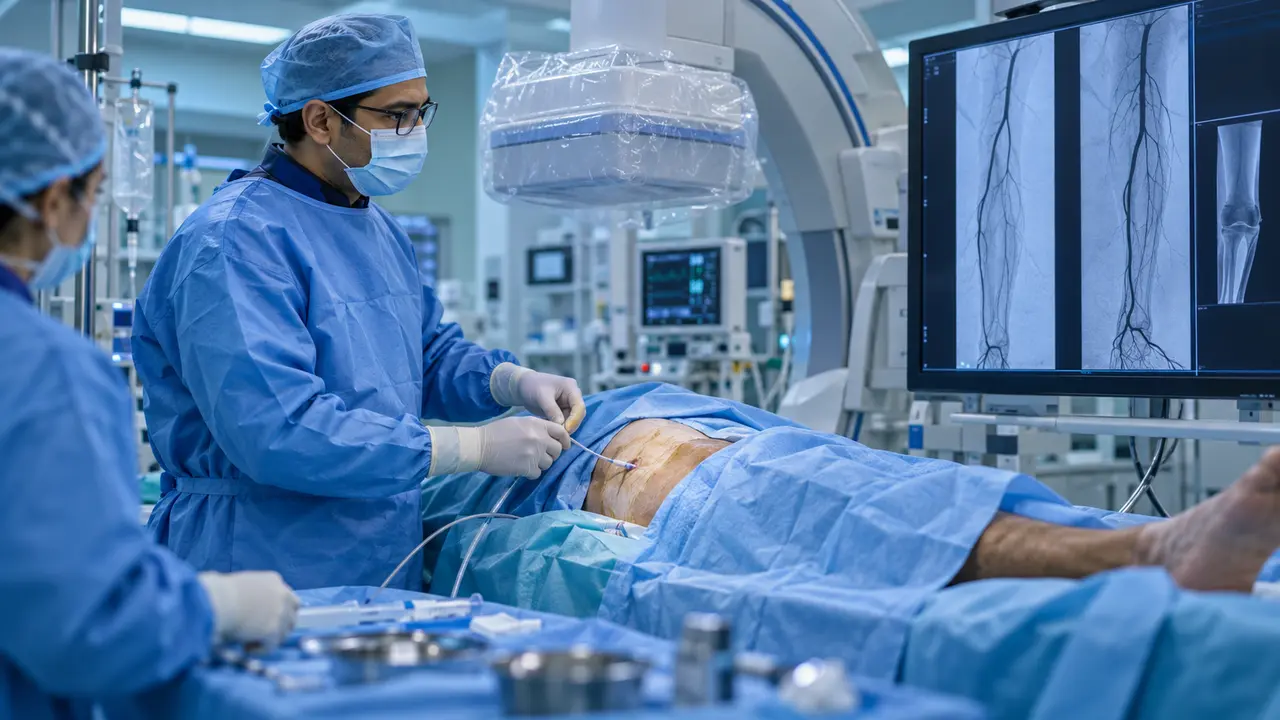
- A minimally invasive procedure performed under local anaesthesia
- Thin leads are placed into the heart and connected to a small pulse generator under the skin
- Typically requires a short hospital stay of one to two days
- Regular follow-up visits to check the device and adjust settings
Modern pacemakers are small, reliable, and allow patients to return to a normal, active lifestyle.
Who Should Consult
- Confirmed slow heart rate with symptoms of dizziness or fainting
- Unexplained fainting episodes not yet evaluated
- A heart block identified on ECG or Holter monitoring
- Patients already advised pacemaker therapy seeking a second opinion
Frequently Asked Questions
Is pacemaker implantation major surgery?
No, it is a minimally invasive procedure done under local anaesthesia, usually completed within an hour.
How long does a pacemaker battery last?
Most pacemaker batteries last 8-12 years depending on usage, and are checked regularly during follow-up visits.
Can I lead a normal life with a pacemaker?
Yes, most patients resume their normal daily activities, including work and light exercise, within a few weeks of the procedure.
Medical content review: Dr. Md. Nagib Mahfuz Khan, BMDC Reg. A-61144. Last updated: August 15, 2026. This information is educational and does not replace an individual medical consultation.