Diabetic Foot & Vascular Ulcer Care
Poor circulation and nerve damage from long-standing diabetes can lead to slow-healing foot wounds and ulcers, which carry a risk of infection and limb loss if untreated. Dr. Md. Nagib Mahfuz Khan provides dedicated diabetic foot and vascular ulcer care to heal wounds and preserve the limb.
Symptoms
- A wound or ulcer on the foot that isn’t healing
- Discolouration, blackening, or foul odour from a wound
- Numbness, tingling, or loss of sensation in the feet
- Swelling, warmth, or pus around a wound (signs of infection)
- Persistent foot pain, especially at rest
Diagnosis
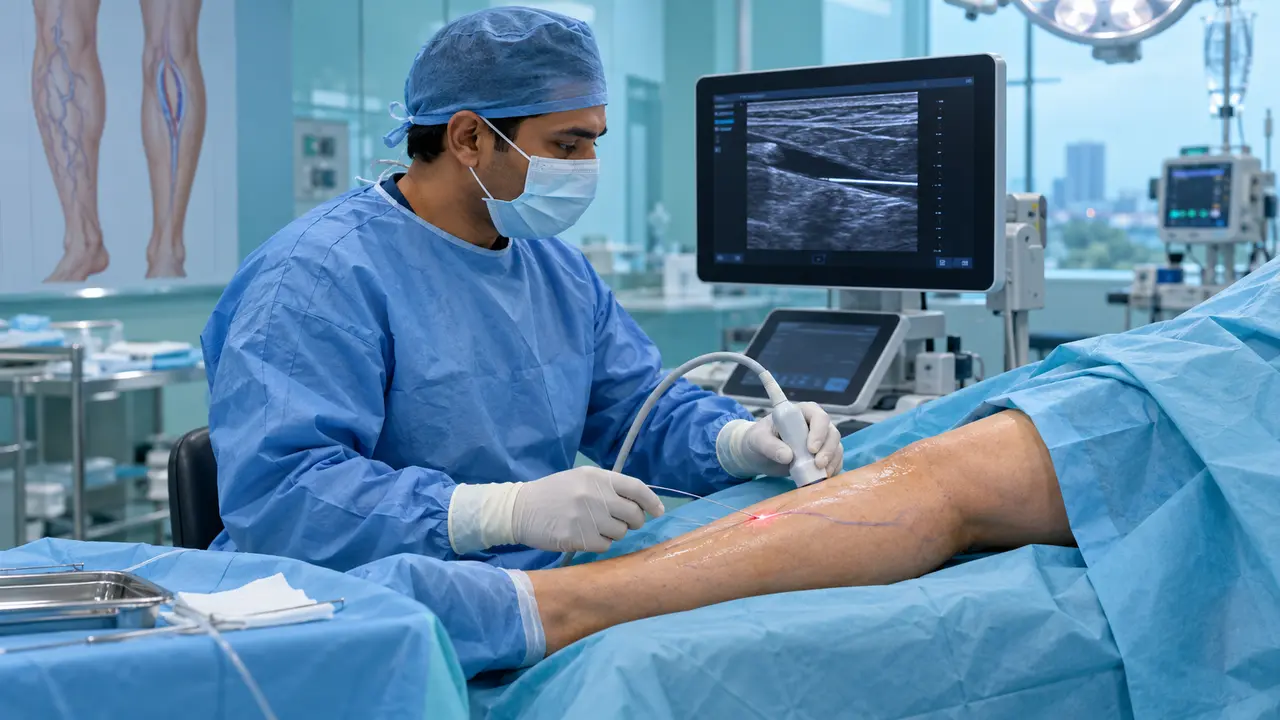
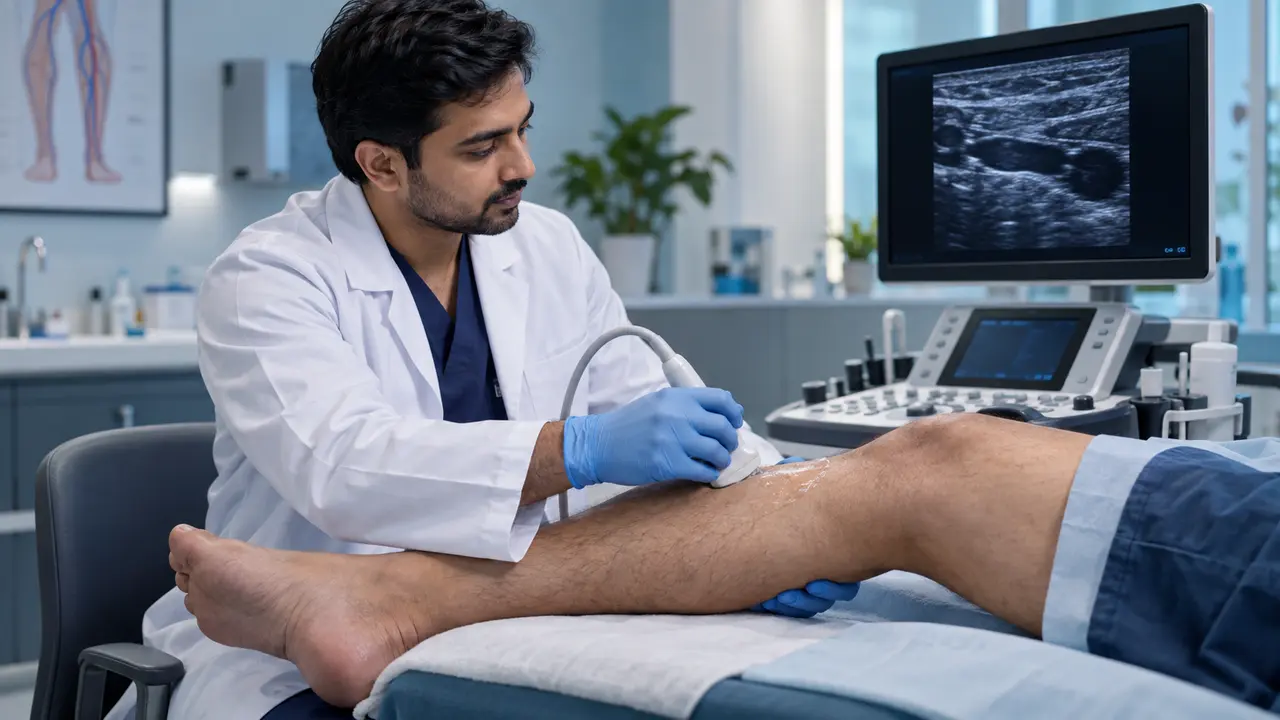
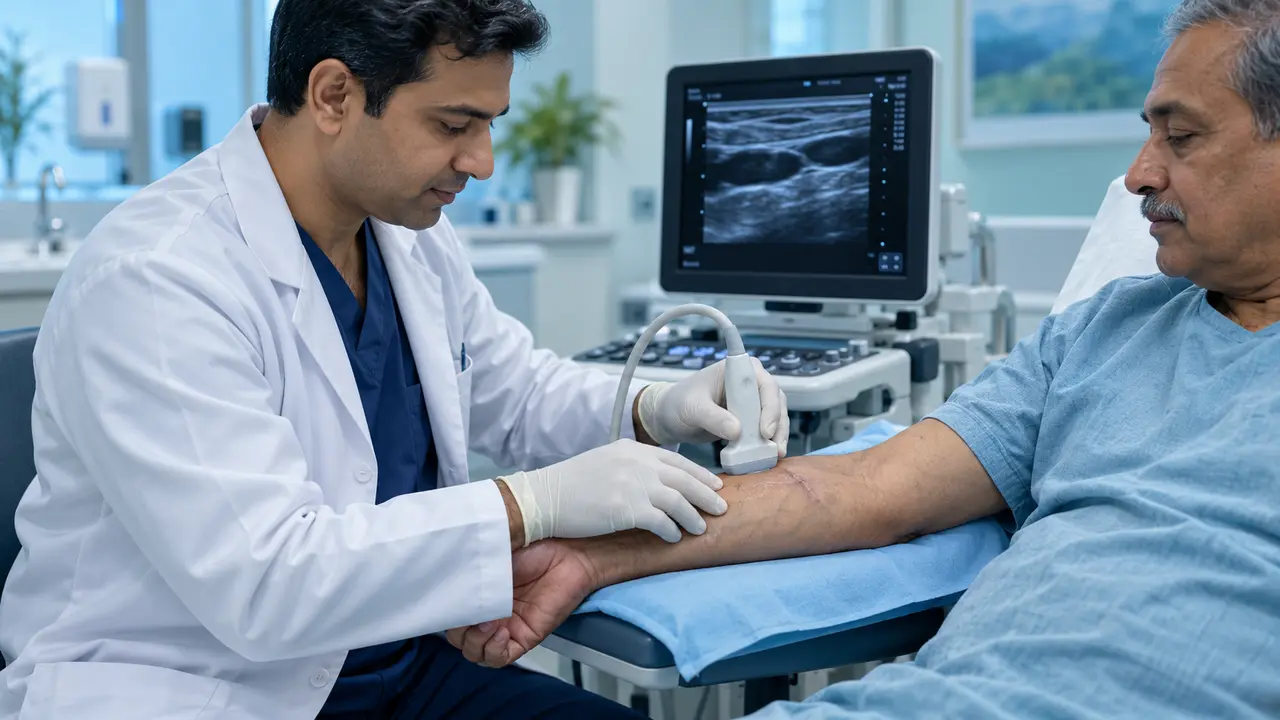
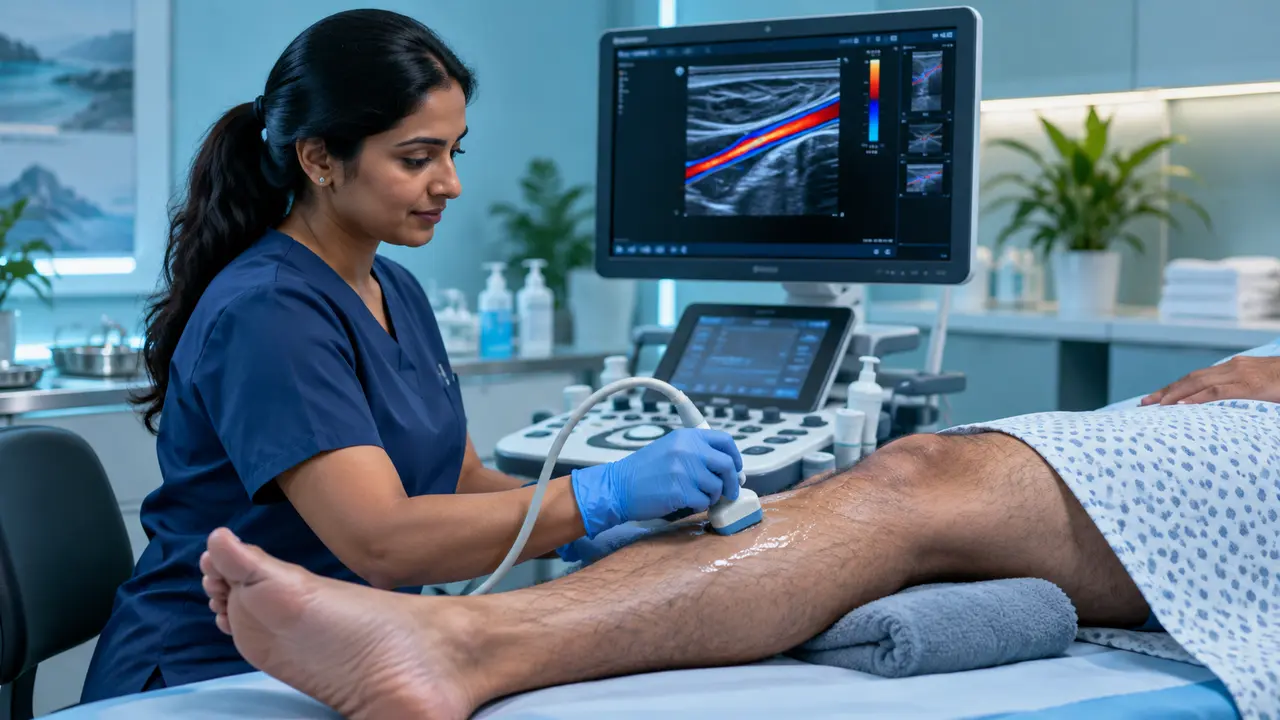
Assessment includes a detailed wound examination, blood sugar control review, and Doppler ultrasound or ABPI testing to check blood flow to the foot before planning wound care.
Treatment Options
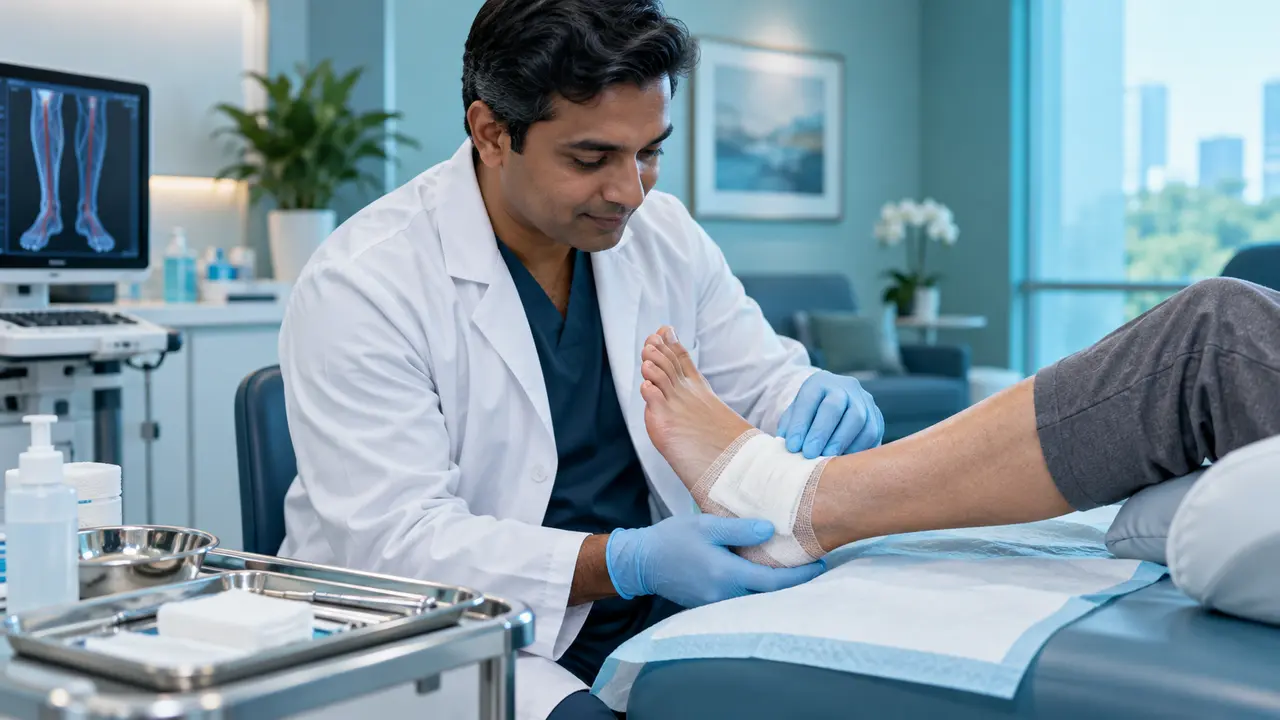
- Wound debridement and regular dressing under sterile conditions
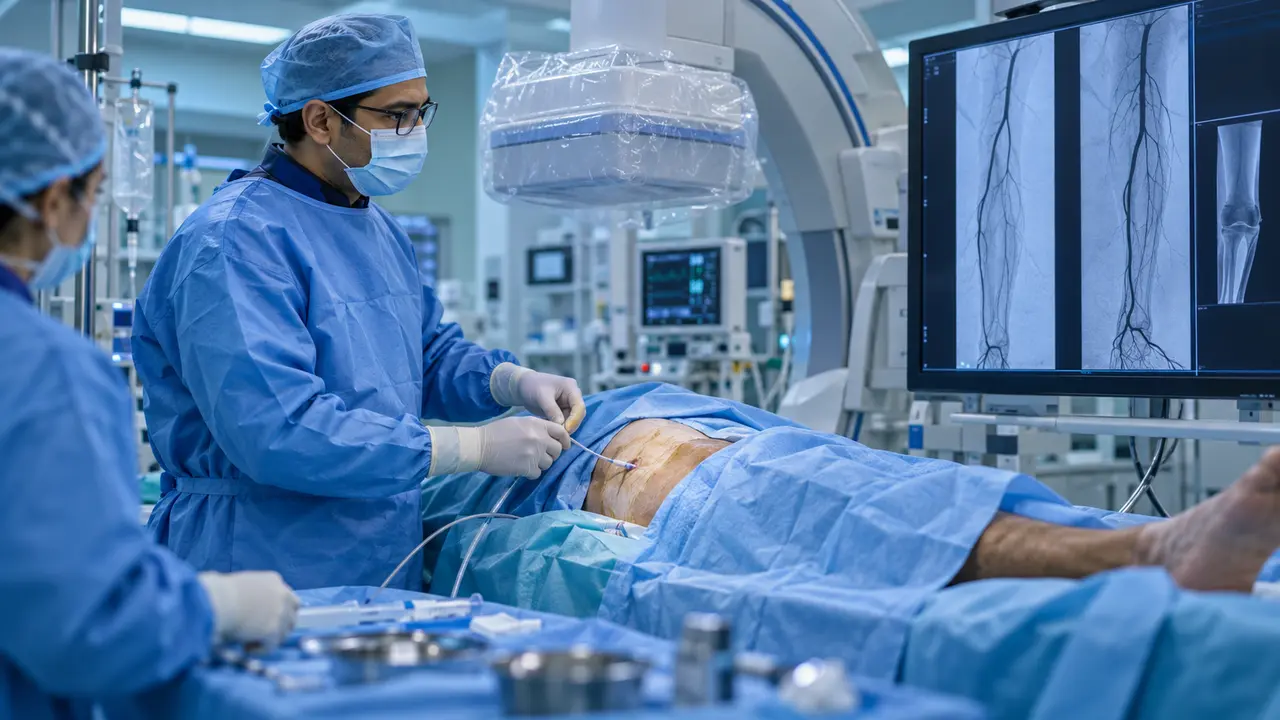
- Blood flow restoration (angioplasty) where circulation is poor
- Infection control with targeted antibiotics
- Offloading footwear and diabetes optimisation to support healing
Early wound care combined with improving blood flow can prevent infection from spreading and reduce the risk of amputation. Do not delay — book a consultation for any non-healing foot wound.
Who Should Consult
- Diabetics with any foot wound, however small
- A wound that hasn’t improved after two weeks of home care
- Signs of infection such as redness, swelling, or discharge
- Numbness or loss of sensation in the feet
Frequently Asked Questions
Can a diabetic foot ulcer heal without surgery?
Many ulcers heal with regular wound care and improved circulation; surgery is reserved for advanced or infected cases.
Why do diabetic wounds heal so slowly?
Reduced blood flow and nerve damage from diabetes both slow the body’s natural healing process.
How can I prevent diabetic foot problems?
Daily foot checks, proper footwear, and good blood sugar control are the most effective prevention.
Medical content review: Dr. Md. Nagib Mahfuz Khan, BMDC Reg. A-61144. Last updated: August 15, 2026. This information is educational and does not replace an individual medical consultation.